جوبكلي تبه
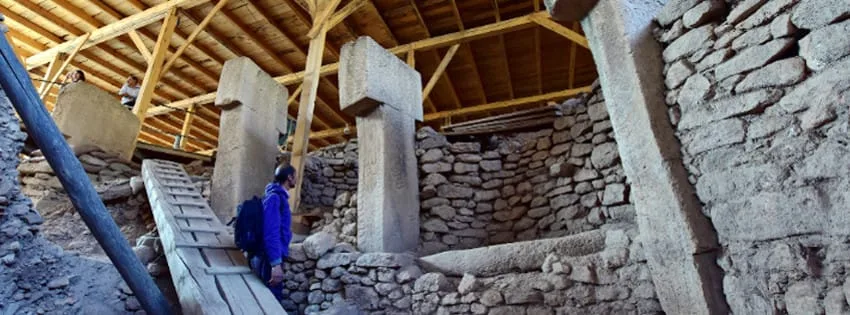
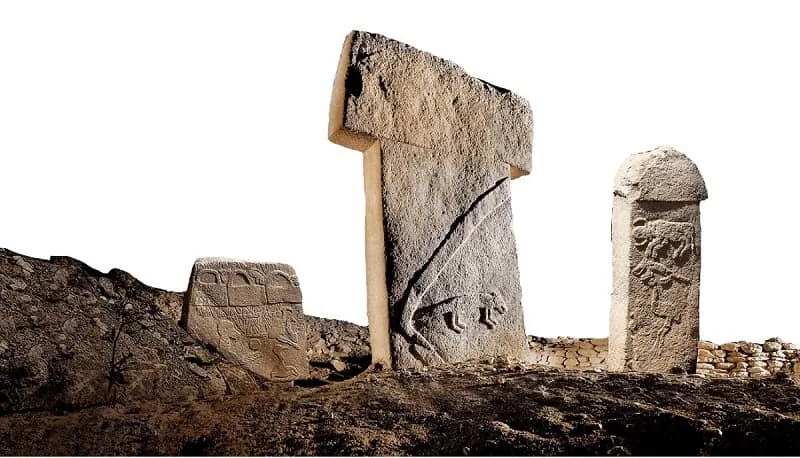
جوبكلي تبه - أقدم معبد في العالم، يقع في جنوب شرق تركيا، في منطقة شانلي أورفا. ويعتبر أول مستوطنة بشرية في العالم.
جوبكلي تبه
جوبكلي تبه: أقدم معبد في العالم. ما الذي نعرفه عن موقع غوبيكلي تبه؟ ما هو المبنى الذي تم بناؤه قبل 12 ألف سنة؟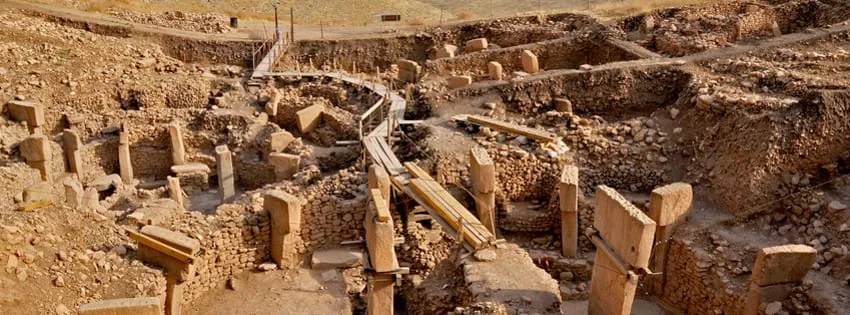
هل هو أقدم وأول معبد في العالم؟
ما الذي نعرفه عن أسطورة غوبيكلي تبه؟
جوبكلي تبه هو معبد.
that changes history, the architecture of Göbeklitepe, and the meanings that this region carries stand in a very important place to get detailed information about the history of humanity. So much so that Göbeklitepe, which is estimated to have been built 8000 years ago even from the pyramids, is one of the most important places in Turkey, which is today listed as a UNESCO World Heritage site. So, What does Göbeklitepe say and how much can we make sense of? If you're ready, we'll start our Göbeklitepe guide.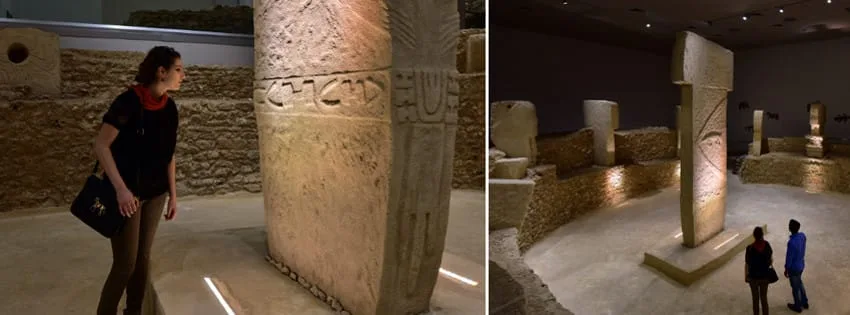
ما الذي يوجد في موقع غوبيكلي تبه؟
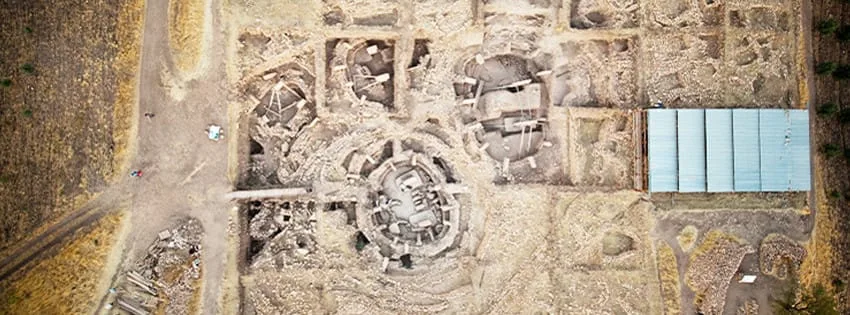
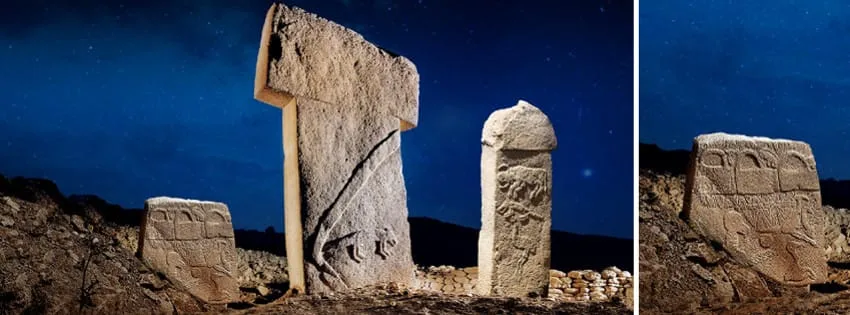
تُعرف الفترة الحجرية الجديدة، والتي يطلق عليها علماء الآثار "فترة ما قبل الفخار" (مثل موقع غوبيكلي تبه، الذي يصنف على أنه منطقة من نوع 9600-7300)، بأنها سلسلة من المنشآت، معظمها على شكل دائري أو بيضاوي، تم بناؤها على قمة تل.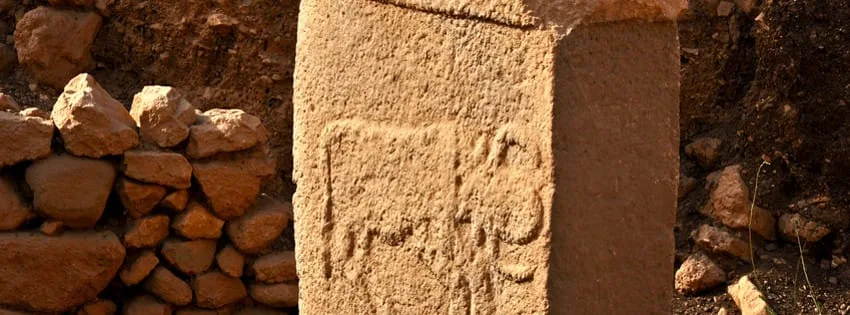
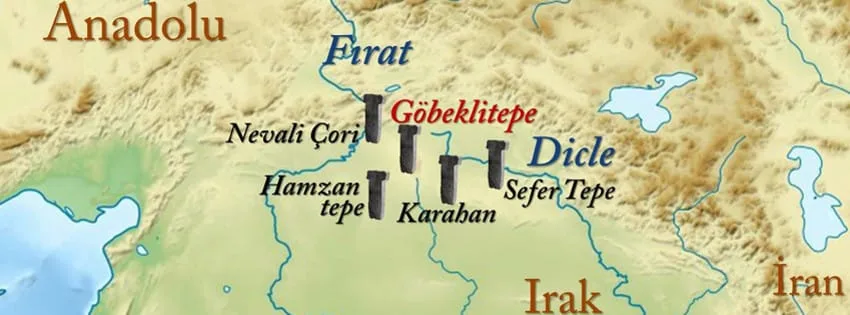
أين تقع غوبيكلي تبه؟
يتساءل معظم الناس عن موقع "جوبيكلي تبه". "جوبيكلي تبه" هي منطقة تاريخية تقع في جنوب شرق تركيا، وتبعد حوالي 15 كيلومترًا عن مدينة شانلي أورفا.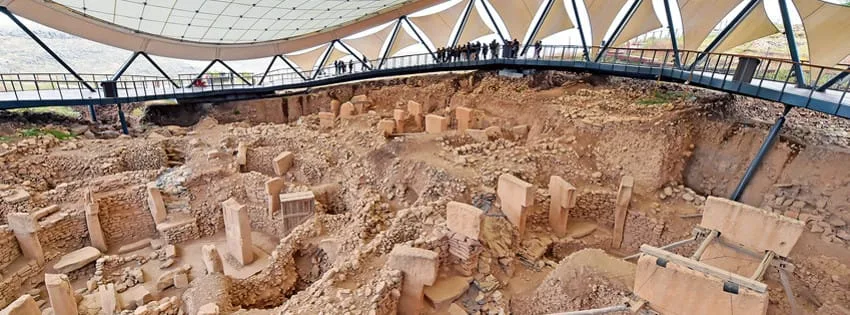
متى تم بناء موقع غوبيكلي تبه؟
Before the great monotheistic religions, before the Greek gods, before Ancient Egypt, and before the Hittites, there was only one place that made up the oldest known religious place in the world. It is the oldest known temple complex and the oldest known pilgrimage site. Where was that place? It was Göbeklitepe. Şanlıurfa Göbeklitepe was built exactly 12,000 years ago! Hz. 10,000 years before Jesus traveled the world, pilgrims from all over Mesopotamia flocked here to visit the huge temple complex built in Göbeklitepe. Urfa was the most important place in the world thousands of years ago with Göbeklitepe region.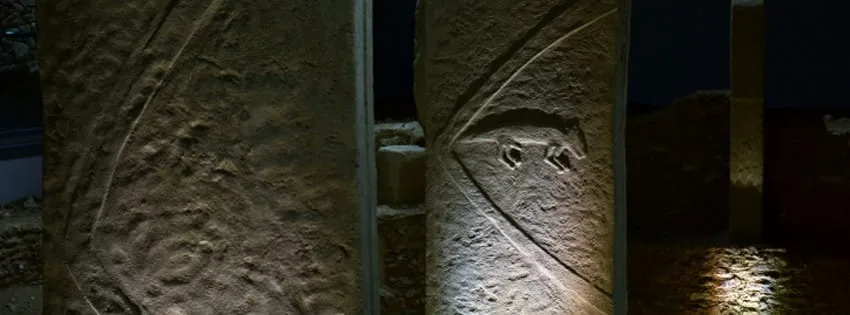
متى تم اكتشاف موقع غوبيكلي تبه؟
Let's tell those who wonder when Göbeklitepe was founded; the discovery of Göbeklitepe architecture and site took place in 1963, while the first scientific excavation began in 1995, and the resulting findings changed long-term assumptions by adding new pages to history. In 1995, with the help of the German Archaeological Institute, Prof. Klaus Schmidt